
Waco Mold Remediation
Waco's humid subtropical climate accelerates indoor fungal colonization on damp drywall and organic framing within 24 to 48 hours of an unmitigated pipe burst or roof leak. Our certified technicians isolate contaminated spaces and eliminate hidden moisture before structural rot takes hold. We deploy commercial drying equipment to protect your property and ensure long-term indoor safety.
Call (254) 555-0145 for an active leak.
Prefer to talk? (254) 555-0145
Targeted Containment And Structural Restoration
Our remediation crew brings years of hands-on structural drying experience to residential properties facing moisture intrusion.
About 67% of housing units in Waco, TX (40,063 of 59,427) were built before 1980, the period when asbestos-containing materials and lead paint were still in use.
The median owner-occupied home in Waco, TX was built in 1976 (Census ACS 5-year).
Because older framing materials require careful environmental handling, our team conducts thorough containment before disturbing any wall assemblies.
When moisture compromises building materials, calling for emergency water damage restoration services stops the spread before structural decay begins.
We verify every stage of drying with calibrated moisture meters so you receive verified clearance results.
Professional Containment And Remediation Process
A pattern echoed in public discussions is that transitioning from emergency flood response to recovery requires rapid muck-out procedures to strip mud and waterlogged building materials before microbial growth starts. Our systematic approach ensures every phase of remediation adheres to industry standards, starting with handling flood cleanup and muck-out operations to stop moisture at the source.
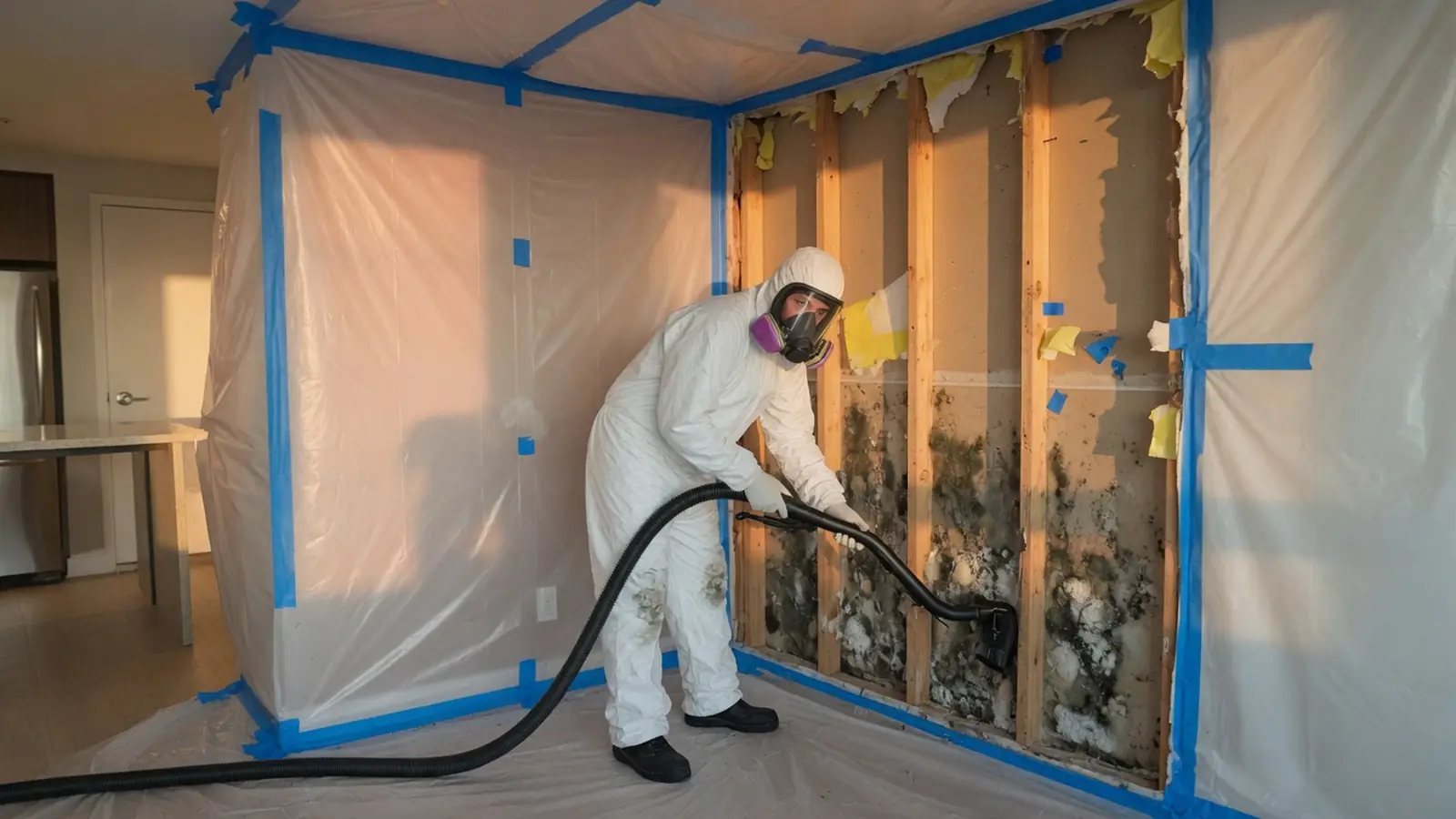
- Containment And Air Scrubbing. Certified mold remediation isolates contaminated zones using sealed polyethylene barriers and negative-air HEPA scrubbers to prevent cross-contamination of clean living areas during tear-out. This critical setup ensures that active spores remain trapped within the workspace.
- Material Removal And Surface Cleaning. Surface cleanup after home flooding frequently misses trapped moisture inside wall cavities, resulting in mold growth behind baseboards. Our specialists remove compromised drywall and insulation down to bare studs to expose hidden fungal colonies.
- Structural Drying And Dehumidification. Persistent musty odors lingering after professional water extraction indicate hidden moisture pockets remaining trapped beneath flooring layers. We position commercial air movers and desiccant dehumidifiers beneath subfloors to extract all remaining moisture.
- Antimicrobial Treatment And Clearance. We apply EPA-registered antimicrobial treatments to structural framing and run negative-air filtration until final testing confirms normal ambient spore counts. Your living space is left sanitized, dry, and ready for final reconstruction.
Safety And Workmanship Standards
In heavy storms, overwhelmed municipal drainage can force contaminated floodwater into structures simultaneously through external entryways and internal plumbing backflow. When severe weather hits, repairing severe structural storm damage requires strict containment protocols. Our technicians adhere to rigorous environmental guidelines, ensuring that contaminated porous goods are properly bagged, framing is sanitized, and your property passes independent clearance verification before we pack up.
Attic Mold Remediation
Condensation and poor attic ventilation lead to widespread fungal growth on roof sheathing, leaving homeowners unsure about high professional remediation estimates. We inspect roof decking, isolate the attic envelope, and eliminate active fungal colonies while correcting underlying airflow restrictions.
Subfloor Moisture Abatement
Homeowners frequently describe lingering dampness after plumbing failures. Our crew lifts damaged carpets and hardwoods to treat underlying plywood and concrete substrates, eliminating mold reservoirs beneath your feet.
Crawl Space Encapsulation
Ground moisture and high humidity can cause pervasive joist mildew and floor sagging. We install durable vapor retarders, seal foundation vents, and set up permanent dehumidification to preserve sub-structure stability.
Our Approach To Moisture Control And Safety
We follow established industry standards on every containment and extraction project, ensuring thorough structural drying and reliable microbial remediation across all local service locations.
- 17Zip Codes Served
- 6Service Areas
- 3Services Offered
Local property owners rely on our certified remediation protocols to eliminate fungal contamination and restore healthy indoor air quality. Here is what real homeowners have experienced during our containment and moisture extraction projects.
“Our subdivision has strict rules regarding waste disposal and loud exterior machinery during daylight hours. The crew kept their negative-air exhaust discreet, parked their trucks neatly along our curb, and answered all of our HOA president's questions before starting tear-out. They kept the entire remediation quiet and completely contained.”
Marcus T.
“Six months have passed since the team sealed off our laundry room and stripped the black mildew from our studs. Our indoor humidity has remained perfectly balanced, and that persistent earthy smell never came back even through summer downpours. It is an immense relief knowing the framing behind our drywall is truly dry.”
Brenda K.
“My elderly mother uses a walker and suffers from chronic asthma, so controlling airborne dust was our family's top priority. The crew set up airtight plastic barriers with zippered doorways and kept HEPA scrubbers running constantly so clean air circulated through her bedroom. She stayed comfortable in the house throughout the entire project without any coughing spells.”
Derrick H.
“Another contractor offered a cut-rate estimate that only included surface fogging without removing our damp drywall. This company explained why physical tear-out was mandatory to pass post-remediation clearance testing, and their thorough containment saved us from a second infestation. Spending a little more for complete removal was the smartest choice we made.”
Rachel V.
Frequently Asked Questions
Is antimicrobial fogging sufficient to eliminate toxic mold colonies, or is physical removal of affected porous building materials always necessary for clearance testing?
Antimicrobial fogging alone cannot remediate porous materials; physical removal of contaminated drywall is required for clearance testing. While chemical treatments neutralize residual surface microbes on solid wood framing, drywall and insulation trap fungal roots that must be stripped under negative air pressure.
How long does professional mold remediation usually take from containment to clearance?
Professional remediation typically requires two to five days, depending on the scale of containment, structural tear-out, and required drying time. Setup and containment take several hours, followed by material removal and intensive HEPA vacuuming.
Why does attic roof sheathing develop widespread mold growth?
Warm indoor air rises into unventilated attic spaces during cold snaps, causing moisture condensation on roof decking that feeds fungal colonization. Condensation and poor attic ventilation lead to widespread fungal growth on roof sheathing, leaving homeowners unsure about high professional remediation estimates.
How do technicians find mold hidden behind walls and flooring?
Technicians pinpoint hidden mold pockets using infrared thermal imaging and non-invasive moisture meters to map damp cavities without demolition. Moisture trapped behind drywall or subfloors lowers surface temperatures, which shows up clearly on thermal cameras before baseboards are pulled.
What factors determine the cost of residential mold remediation?
Remediation costs depend on the square footage of affected drywall, accessibility of structural framing, and necessary containment equipment setup. Projects requiring extensive HEPA negative-air scrubbing and disposal of hazardous insulation involve more labor and equipment hours than surface remediation.