
Waco Flood Cleanup
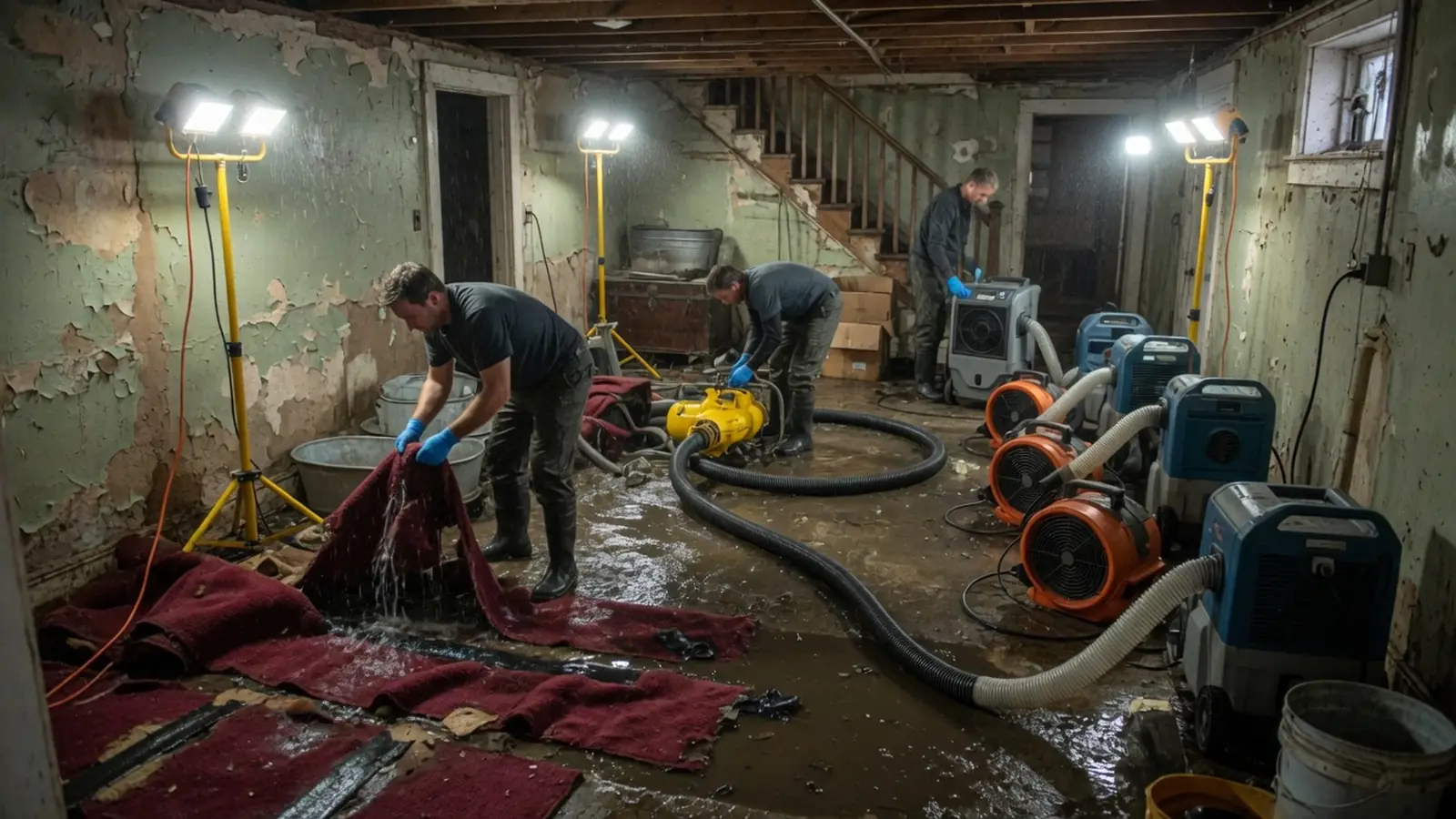
Our industrial truck-mounted extractors remove standing floodwaters immediately to halt structural deterioration. Overland floodwater is classified as Category 3 black water, requiring the complete removal and disposal of porous materials like carpet padding and drywall rather than attempting surface drying. We stabilize indoor environments with high-capacity air movers and commercial desiccant dehumidifiers.
Call (254) 555-0145 if you need us today.
Prefer to talk? (254) 555-0145
Fast Structural Recovery After Floods
Our technicians bring seasoned flood recovery expertise to older pier-and-beam cottages and modern slab foundations across the Brazos basin.
Our crew provides comprehensive emergency water damage restoration across local neighborhoods to stabilize saturated residential framing quickly.
As homeowners often describe following intense downpours, residents coping with flood intrusion face confusion over proper procedures for cutting contaminated drywall, stripping insulation, and structural drying.
We deploy moisture meters and thermal imaging cameras to map the exact migration of water behind baseboards without unnecessary demolition.
A frequent pattern echoed in public discussions is that severe indoor flooding caused by burst pipes leaves homeowners overwhelmed when attempting to synchronize immediate water mitigation with insurer claim requirements.
We streamline that burden by generating digital moisture logs, photographic inventories, and line-item documentation directly for insurance adjusters.
Our Flood Extraction And Drying Process
When river overflow or runoff inundates your living spaces, you can see our approach to urgent storm damage restoration designed to systematically extract standing moisture and prevent secondary microbial decay.
- Immediate Pumping And Extraction. Basement flooding resulting from failed sump pumps during rainstorms forces homeowners to evaluate whether DIY water extraction can prevent mold development. Our high-volume submersible pumps and heavy-duty extraction wands eliminate standing water before it can saturate structural subflooring.
- Controlled Wall And Cavity Openings. A pattern echoed in public discussions is that surface cleanup after home flooding frequently misses trapped moisture inside wall cavities, resulting in mold growth behind baseboards. Technicians make clean flood cuts above the moisture line to expose framing studs and remove contaminated insulation.
- Industrial Dehumidification And Antimicrobial Wash. Technicians wash exposed framing studs with EPA-registered botanical antimicrobials before deploying commercial air movers and desiccant dehumidifiers. If high humidity has lingered in closed rooms, relying on certified containment and antimicrobial treatments ensures secondary fungal spores cannot take hold.
- Moisture Verification And Final Sign-Off. Persistent musty odors lingering after professional water extraction indicate hidden moisture pockets remaining trapped beneath flooring layers. We verify that every framing member, sill plate, and slab surface has reached equilibrium moisture content using non-invasive meters.
Our Rigorous Structural Drying Standard
We follow strict IICRC S500 guidelines for black water extraction and structural drying. Every flood response relies on calibrated thermal imaging, daily relative humidity monitoring, and thorough antimicrobial sanitation to restore structural integrity without cutting corners.
Emergency Water Pumping
Truck-mounted pumps quickly pull thousands of gallons of standing water from flooded living areas, crawl spaces, and ground-level rooms. Rapid extraction stops moisture from wicking up exterior walls and warping subfloors.
Hardwood Floor Restoration
Can solid hardwood flooring submerged by floodwater be saved with industrial drying mats, or does buckling require full subfloor replacement? Our negative-pressure floor mat systems extract trapped moisture through the wood grain to salvage original planks whenever possible.
Structural Cavity Drying
Trapped moisture behind drywall and under sill plates leads to structural rot if left unaddressed. We use targeted injectidry systems and industrial dehumidifiers to cycle warm, dry air through enclosed framing spaces.
Committed To Transparent And Thorough Flood Mitigation
We believe honest restoration begins with clear communication, rapid response times, and meticulous moisture tracking across every affected square foot. Our certified technicians follow industry-standard drying protocols to ensure your property is completely safe, dry, and protected from hidden mold hazards.
- 10Zip Codes Served
- 6Service Areas
- 3Services Offered
Read genuine feedback from local homeowners who experienced unexpected indoor flooding and trusted our technicians to extract the water, dry the structure, and restore their peace of mind.
“Our HOA was extremely strict about commercial vehicle parking and noise when floodwater flooded our ground floor. The crew staged their extraction vans neatly along the curb, kept exterior hoses tightly organized, and answered all of our board president's questions with complete courtesy. Inside, they had the standing water pumped out in a matter of hours without any neighborhood friction.”
Marcus B.
“Three months have passed since the river storm backed water into our living room, and our baseboards and flooring show zero signs of moisture damage. The team pulled out the wet drywall immediately and ran industrial dehumidifiers until every framing stud tested bone dry. We had independent air testing done recently, and there is absolutely no mold or lingering odor.”
Elena R.
“My elderly mother uses a walker, so having loud drying equipment and heavy hoses throughout the hallway was initially terrifying for her. The technicians went out of their way to tape down cord ramps, isolate the master suite with zipper containment, and set up extra HEPA air scrubbers so she could breathe comfortably. Their patience and genuine care made an unbearable emergency manageable.”
Darren K.
“Another contractor gave us a cheaper quote that only included surface water extraction without removing saturated drywall or carpet pad. This company explained why Category 3 floodwater requires full bottom cuts and structural sanitization to prevent rot. Choosing them saved our foundation from hidden decay, and their itemized invoice went straight through our insurance adjuster.”
Hannah V.
Frequently Asked Questions
Why can flood restoration estimates occasionally reach five figures?
Emergency flood restoration costs depend on water contamination class, affected square footage, and necessary structural drying equipment. Property owners facing unexpected water intrusion struggle to assess whether five-figure contractor estimates for emergency dry-out and dehumidification are standard. Legitimate mitigation companies provide standardized line-item estimates detailing extraction, demolition, and dehumidifier run-times to ensure all charges align with insurance carrier guidelines.
Can solid hardwood flooring submerged by floodwater be saved?
Submerged hardwood floors can often be salvaged using specialized vacuum drying mats if extraction begins before severe cupping occurs. Homeowners often wonder: can solid hardwood flooring submerged by floodwater be saved with industrial drying mats, or does buckling require full subfloor replacement? If water is extracted quickly, high-powered negative pressure mats draw moisture out through the planks, avoiding the expense of tearing out the subfloor.
Why must drywall and carpet padding be removed after overland flooding?
Overland floodwater contains toxic microbes and pathogens that permanently saturate porous building materials like sheetrock and padding. Because overland runoff is Category 3 black water, porous materials cannot be sanitized safely with surface treatments alone. Removing wet insulation, cutting drywall above the waterline, and discarding saturated carpet pad protects indoor air quality and structural framing.
How long does the structural dehumidification process typically take?
Thorough structural drying and commercial dehumidification typically take between three and five days to reach standard moisture equilibrium. Drying times vary based on the permeability of building materials, ambient humidity levels, and how long floodwater remained pooled. Technicians take daily moisture readings to verify that studs, subfloors, and framing have returned to dry standard targets before removing equipment.
What causes persistent musty smells after water extraction is complete?
Lingering musty odors after water removal are caused by hidden pockets of trapped dampness inside wall cavities or beneath flooring. If musty smells continue after surface extraction, moisture is likely migrating under sill plates or trapped beneath subfloor layers. Addressing this requires precision cavity drying with directional air flow and antimicrobial washdown to prevent latent microbial growth.